
Microscope Warranty: What to Know for Stress Free Buying
Microscope warranties cover optical parts for life, but cap electronics at 1-3 years and exclude consumables. Learn microscope warranty what to know facts.

Microscope warranties cover optical parts for life, but cap electronics at 1-3 years and exclude consumables. Learn microscope warranty what to know facts.
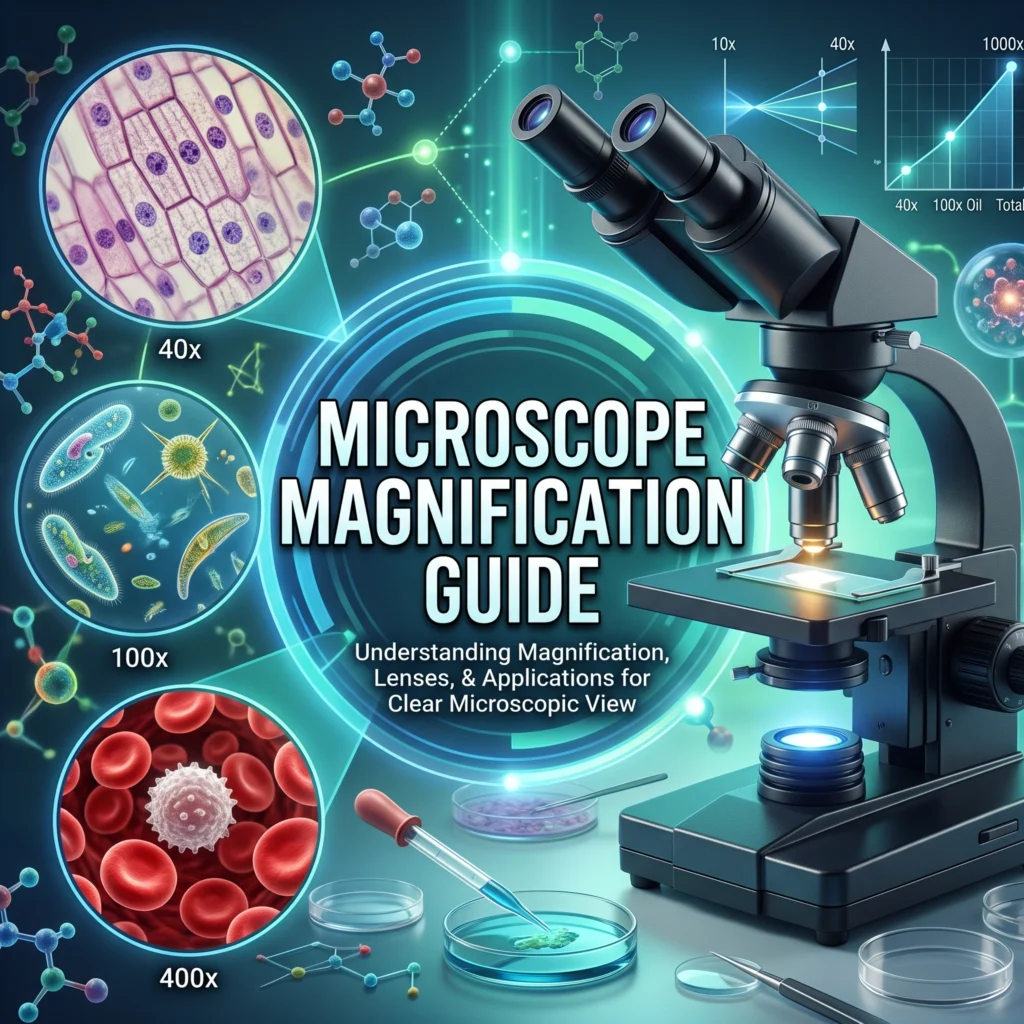
Calculate total magnification by multiplying eyepiece power by objective lens strength. This simple microscope magnification guide makes reading lenses easy.
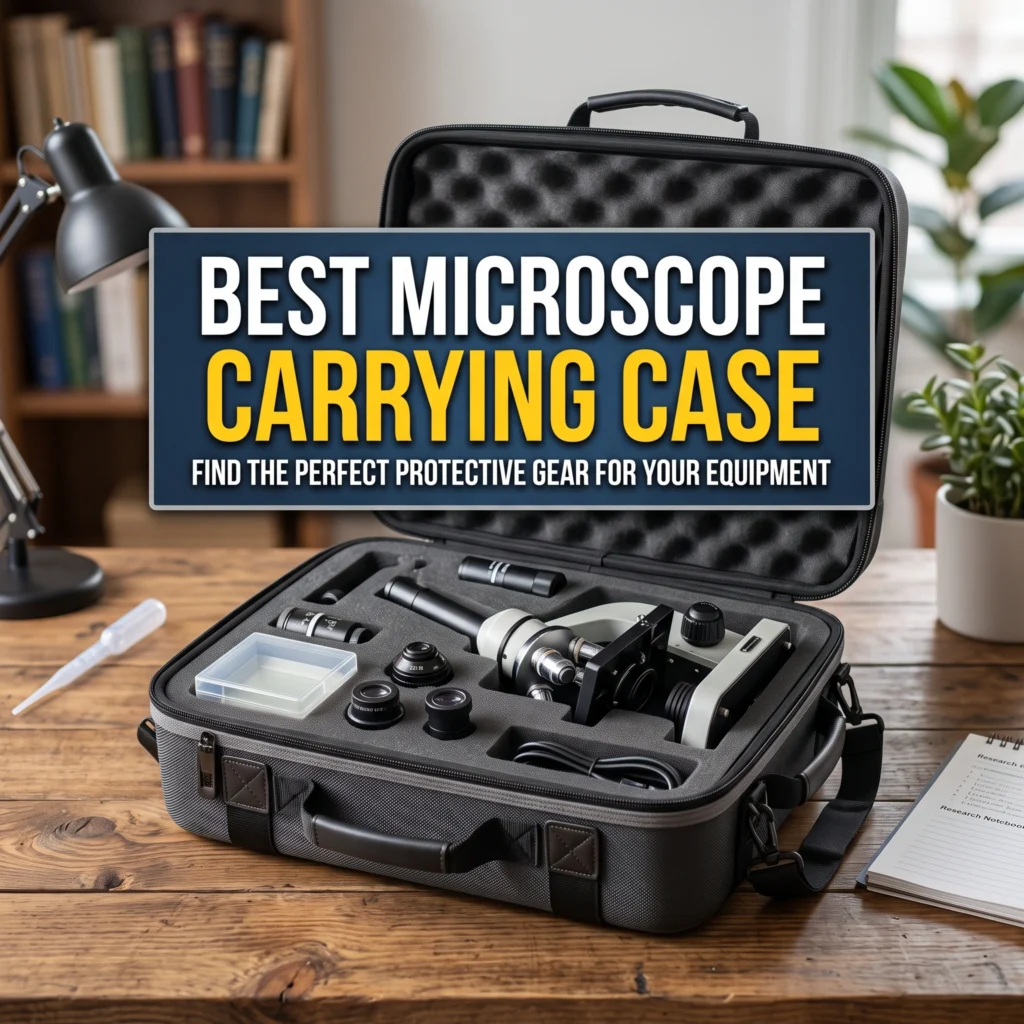
Choose the best microscope carrying case for secure storage, reliable protection, and organized transport of your microscope and accessories.

Compare the 8 best microscope slides to buy for home and school labs, including top prepared and blank options for students, teachers, and hobbyists.
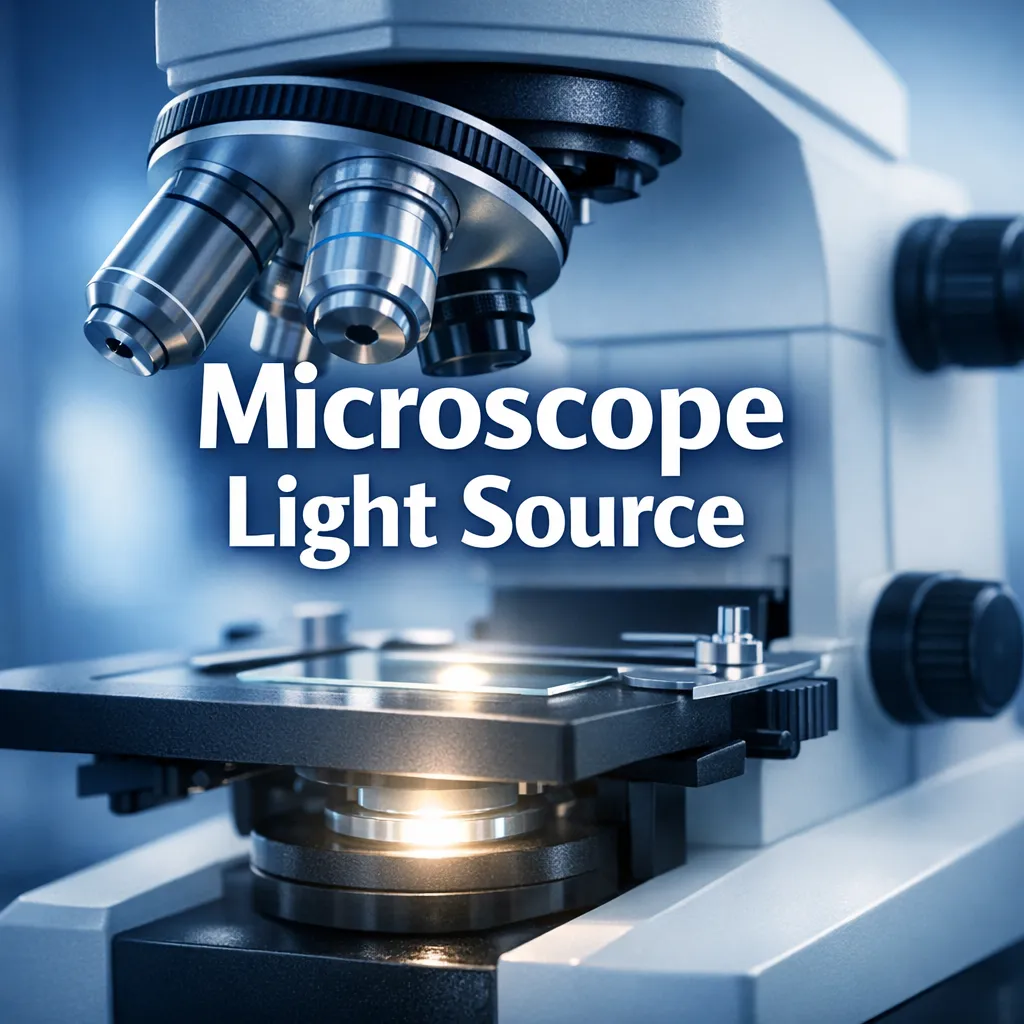
Find the best microscope light source for your needs. Compare LED, halogen, arc-lamp, and more to improve imaging, protect samples, and save costs.
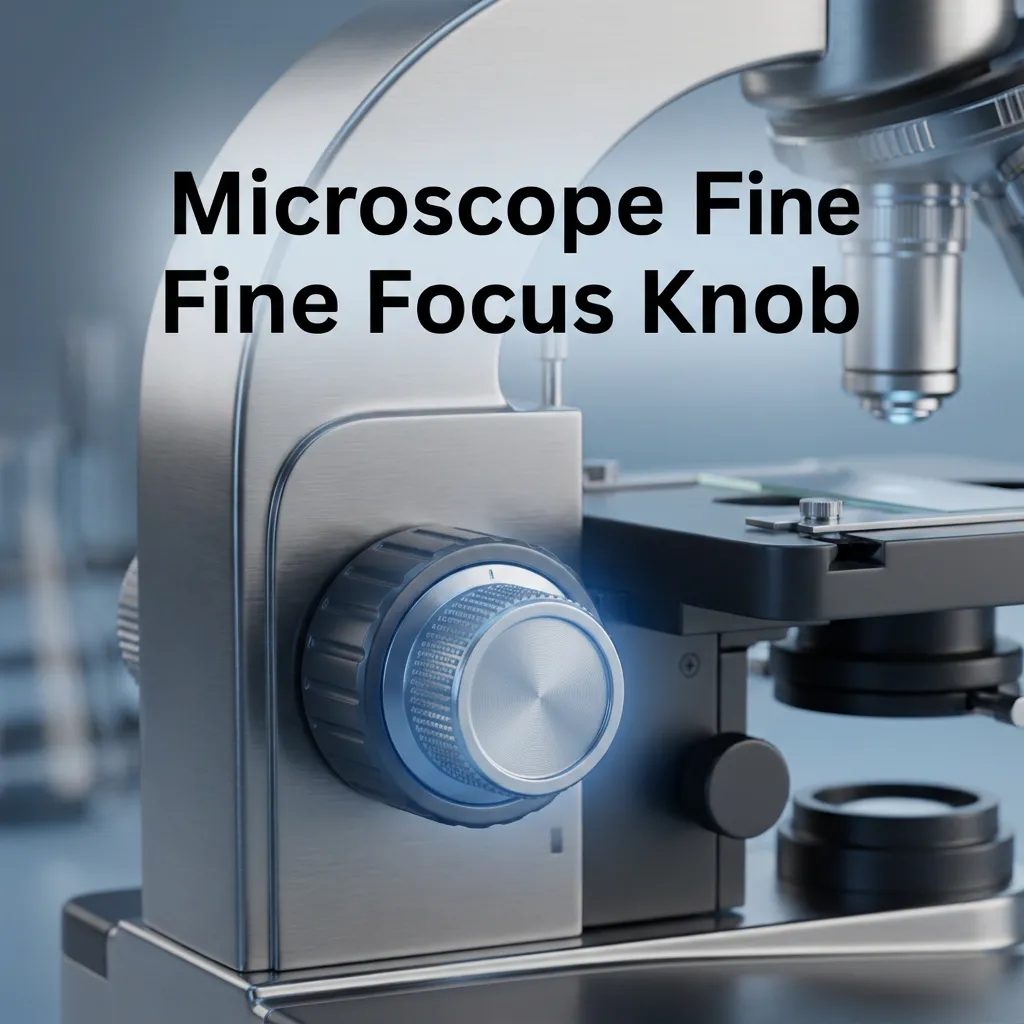
The microscope fine focus knob lets you achieve sharp, clear images by making precise adjustments, essential for high magnification and safe specimen viewing.

The best microscope magnification range of 40x to 1000x ensures clear images, easy focusing, and solves common viewing problems for most specimens.
Follow these steps on how to set up microscope for beginners—assemble, adjust lighting, and focus for clear specimen viewing every time.
A microscope for mycology enables clear observation of spores and hyphae, essential for accurate fungal identification and research in mycology.

Discover the best microscope app for android that offers high magnification, easy controls, and wide device compatibility for detailed close-up viewing.