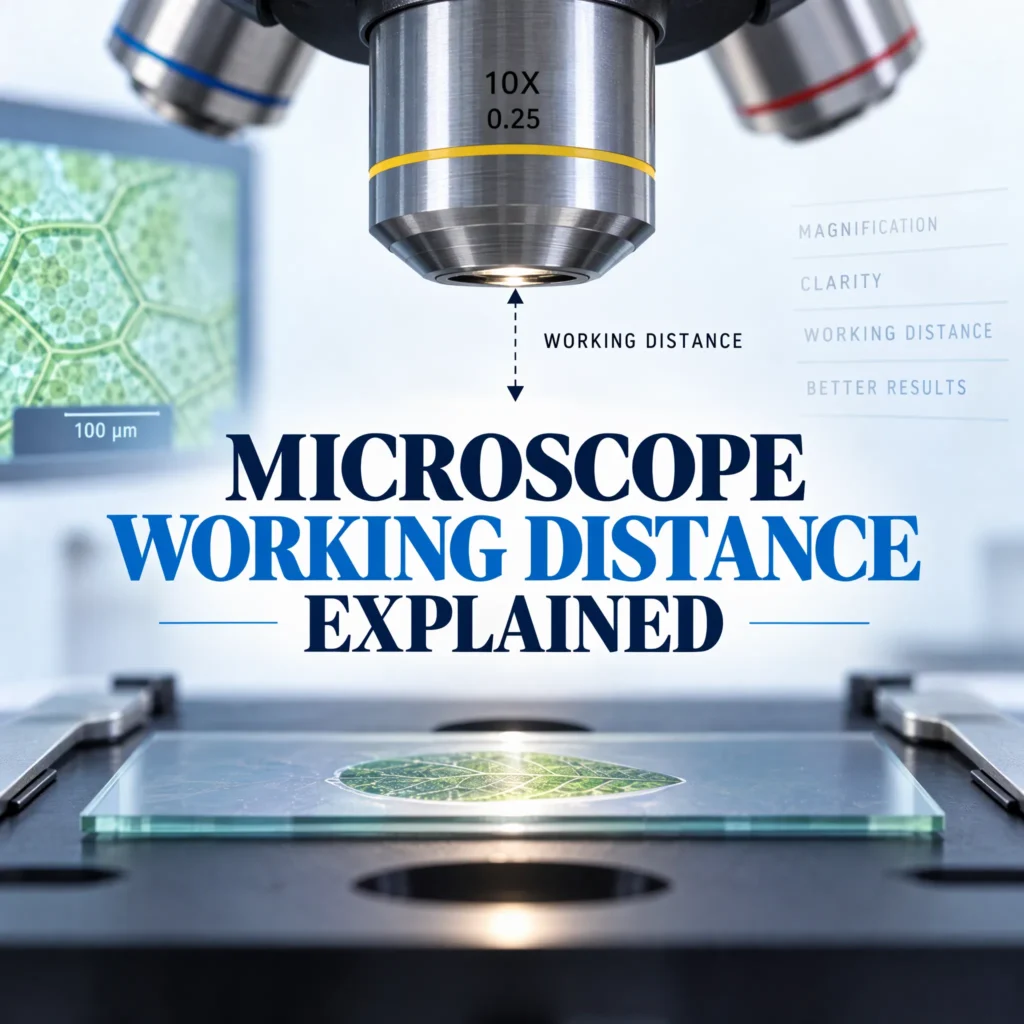
Microscope Working Distance Explained in Plain English (No Lab-Speak)

Working distance is the clear space from the front of the objective (or front lens) to the focused sample surface. Longer working distance gives better room for tools, thick vessels, and fixtures, but often trades some resolution or brightness at a given magnification. Match working distance to the thickest coverslip, dish, probe, or fixture you

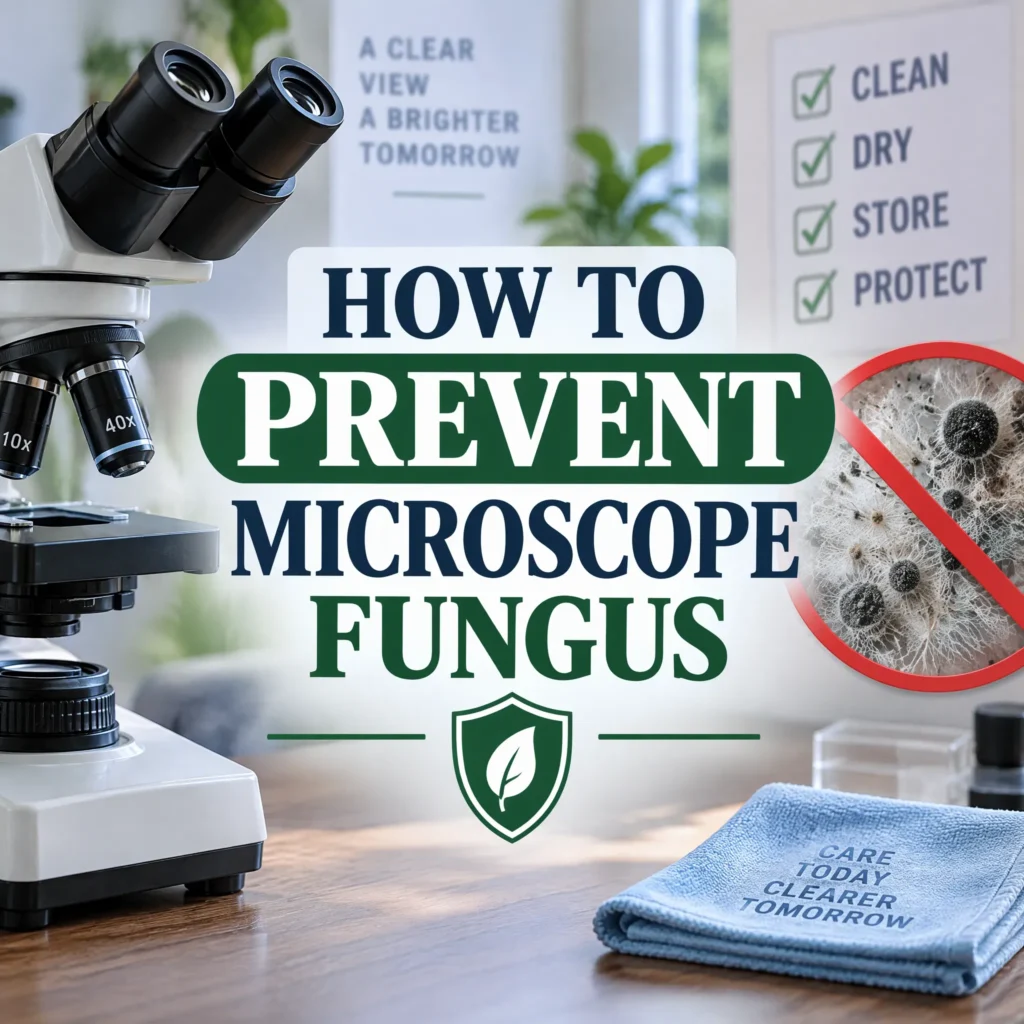
Is Fungus Threatening Your Microscope? Here’s How to Prevent It

Prevent microscope fungus by controlling moisture, keeping the instrument clean and dry, and following its manufacturer’s storage instructions. Monitor humidity where the microscope sits, avoid covering damp equipment, and use maintained dry storage when needed. Suspected growth inside an objective or other optical assembly needs professional assessment. Drying can discourage further growth, but it does

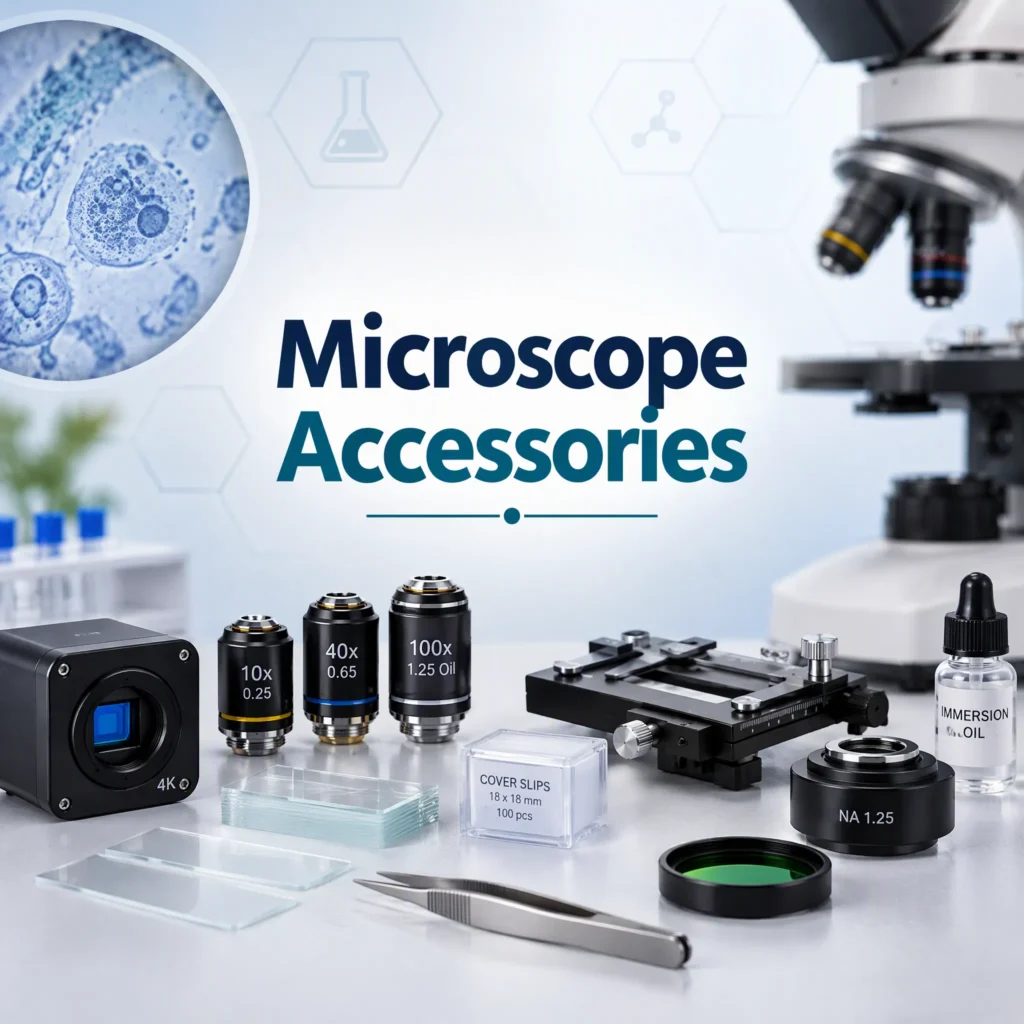
The Best Microscope Accessories for Students, Labs, and Hobbyists

An unplanned microscope-accessory purchase can leave a drawer full of adapters whose chief scientific contribution is collecting dust. Accessories should solve a defined workflow problem: seeing a specimen clearly, preparing it consistently, measuring it reliably, documenting it repeatably, or keeping the instrument functional. The most valuable accessory is the one that removes the limiting step

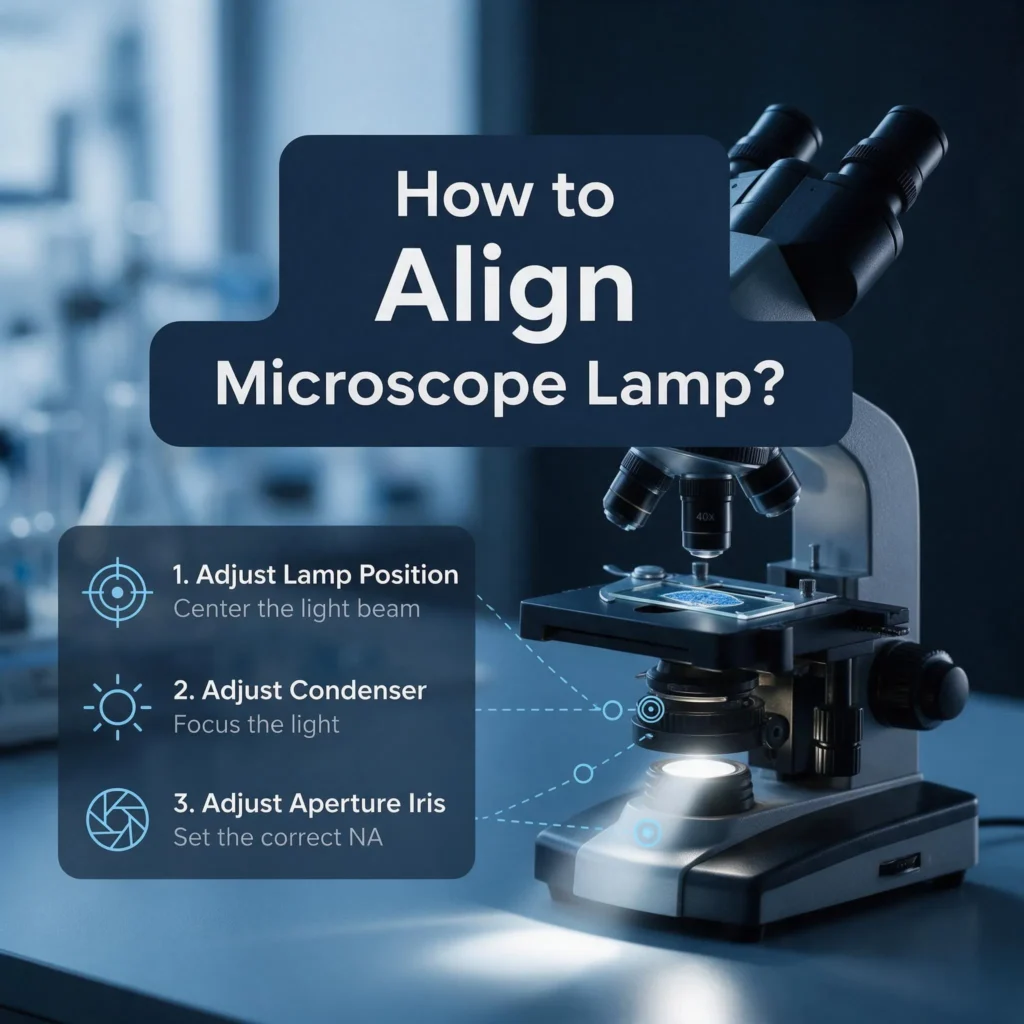
How to Align Microscope Lamp for Consistent Results

Uneven brightness, washed-out detail, or an image that changes between sessions can result from illumination settings, but also from dirt, specimen preparation, or incorrectly seated optics. Before adjusting anything, determine which controls your microscope actually provides. This guide covers transmitted-light brightfield compound microscopes. On instruments that support it, Köhler illumination provides a practical method for