Understanding the pollen bees collect is crucial for effective hive management. Analyzing pollen with microscopy gives you a deeper look into the plants your bees visit and the nutrients they gather. This insight highlights the importance for bees of diverse forage sources, which directly impacts their health and productivity. Recent studies show a strong link between pollen analysis and improved hive monitoring.
For example, microscopy-based pollen counts align closely with DNA sequence data, offering precise insights into foraging patterns. Such tools make microscopy for beekeepers a game-changer, helping you ensure healthier, more resilient colonies.
Essential Tools for Microscopy for Beekeepers
Choosing the Right Microscope for Beekeeping
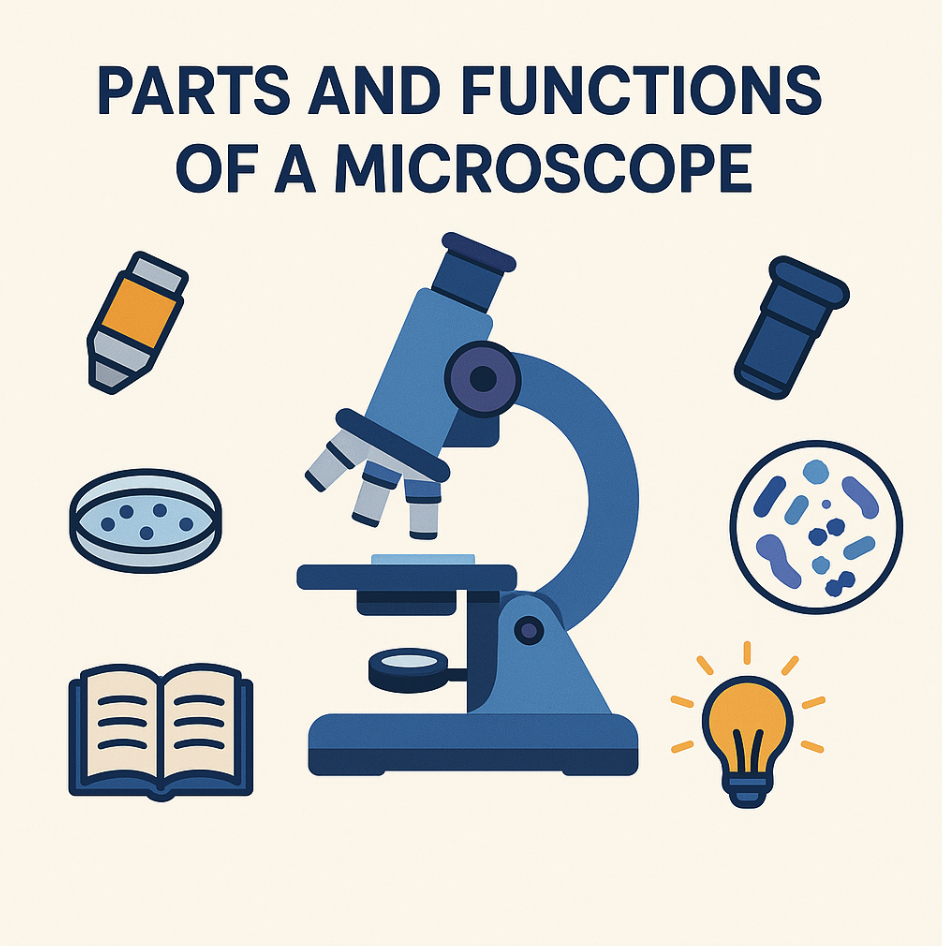
Picking the right microscope is the first step in mastering microscopy for beekeepers. A compound microscope works best for pollen analysis due to its ability to magnify samples up to 400x or higher. This level of magnification allows you to observe intricate pollen features, such as size, shape, and surface texture. Look for a microscope with adjustable lighting and a mechanical stage to simplify sample positioning.
Investing in a model with high-quality optics ensures clear and accurate observations, which are crucial for identifying pollen sources and monitoring bee health.
Microscopy also plays a vital role in detecting Nosema infections in bee colonies. Many beekeepers treat their hives without knowing the actual infection status, leading to unnecessary expenses. A microscope helps you accurately determine infection levels, enabling informed decisions that save money and improve colony health. Tracking Nosema levels throughout the season becomes easier with this tool, making it an essential investment for any beekeeper.
Must-Have Accessories for Pollen Analysis
To get the most out of your microscope, you’ll need a few essential accessories. Glass slides and cover slips are necessary for preparing pollen samples. A slide preparation kit, including tweezers and pipettes, simplifies the process of handling and mounting pollen. Stains, such as fuchsin or glycerin jelly, enhance pollen visibility under the microscope by highlighting key features. A reference guide or pollen atlas is another valuable accessory. These guides help you compare your observations with documented pollen types, making identification more accurate.
For efficient sample processing, consider using a centrifuge to separate pollen grains from debris. This accessory is especially useful during group sampling sessions, such as bee club meetings, where multiple samples are analyzed.
Setting Up a Workspace for Microscopy
Creating a dedicated workspace for microscopy ensures smooth and efficient analysis. Choose a well-lit area with minimal distractions. A sturdy table or desk provides a stable surface for your microscope and accessories. Organize your tools, such as slides, stains, and reference guides, within easy reach to streamline your workflow. Temperature and humidity control are important for preserving pollen samples and maintaining microscope functionality. Store your slides and stains in airtight containers to prevent contamination.
Regularly clean your workspace to avoid dust buildup, which can interfere with your observations. A well-maintained workspace not only improves your efficiency but also enhances the accuracy of your findings.
Collecting and Preparing Pollen Samples
Best Practices for Collecting Pollen from Beehives
When taking bee samples for pollen analysis, you need to follow specific practices to ensure accuracy and efficiency. Start by placing pollen traps on strong colonies. These traps collect pollen pellets as bees return to the hive, maximizing collection efficiency. Keep in mind that environmental conditions and the size of pollen pellets can affect the trapping process. For more precise results, consider manually collecting corbicular pollen from individual bees, though this method requires more time and effort.
To simplify sorting, limit the number of color groups to ten when categorizing pollen samples. This approach reduces complexity and helps you focus on key observations. If you plan to use acetolysis for cleaning pollen grains, optimize the protocol based on the types of pollen you are studying.
Always wear personal protective equipment (PPE) and handle solvents and acids with care to ensure safety. Proper decanting techniques during acetolysis prevent the loss of valuable samples.
Cleaning and Storing Pollen for Analysis
Proper cleaning and storage of pollen samples are essential for accurate analysis. Begin by removing debris and contaminants from the collected pollen. Use a centrifuge to separate pollen grains from unwanted particles. Once cleaned, store the pollen in airtight containers to maintain its quality.
The storage conditions significantly impact pollen viability. For short-term storage, keep the pollen at low temperatures, such as 4°C, where viability can last up to a week. For longer preservation, cryopreservation at −196°C is highly effective, maintaining high viability for up to two months. Avoid storing pollen at room temperature, as it loses viability within a week.
|
Storage Condition |
Viability Observed |
|---|---|
|
Room Temperature (25°C) |
No viability after 1 week |
|
Low Temperature (4°C) |
10% viability after 1 week |
|
Cryopreservation (−196°C) |
High viability for 2 months |
Step-by-Step Guide to Making Pollen Slides
Making pollen slides is a straightforward process that allows you to observe pollen grains under a microscope. Start by preparing a clean glass slide. Place a small amount of pollen on the slide and add a drop of stain, such as fuchsin or glycerin jelly, to enhance visibility. Carefully place a cover slip over the sample, ensuring no air bubbles form. Follow a progressive approach for identification. Begin by localizing potential pollen regions on the slide.
Once identified, classify the pollen grains based on their size, shape, and surface texture. This method ensures accurate identification and helps you create homemade pollen slides for future reference. For best results, validate your staining methods to match the specific pollen types you are analyzing. This step ensures that the features of the pollen grains are clearly visible, making your analysis more reliable.
How to Analyze Pollen Under a Microscope
Setting Up and Calibrating Your Microscope
Proper setup and calibration of your microscope are essential for accurate pollen analysis. Begin by placing your microscope on a stable surface in a well-lit area. Adjust the eyepiece to match your vision, ensuring a clear view of the sample. Use the coarse focus knob to bring the slide into view, then fine-tune the focus for sharper details. Calibrating the microscope ensures precise measurements of pollen grains. Start by using a calibration slide with a known scale.
Align the scale with the microscope’s reticle and adjust the settings until the measurements match. This step is crucial for comparing pollen sizes, which often range from 10 µm to over 40 µm. Smaller grains are more common in active sampling, while larger grains dominate passive sampling methods. Regular calibration minimizes errors and improves consistency in your observations. Studies show that manual optical microscopy can identify up to 55 pollen taxa, with 87.5% of samples concentrated in the first 12 taxa.
Accurate calibration ensures you can reliably detect these variations, helping you make informed decisions about forage sources and bee health.
Techniques for Observing Pollen Features
Observing pollen features requires a systematic approach. Start by examining the overall shape of the pollen grain. Common shapes include spherical, elliptical, and triangular forms. Next, focus on the surface texture. Smooth, spiky, or grooved textures provide clues about the plant species. Use stains like fuchsin or glycerin jelly to highlight intricate details. These stains enhance visibility, making it easier to identify features such as apertures and exine patterns.
Apertures are openings in the pollen wall, while exine patterns refer to the outer layer’s design. Both are critical for species identification. Advanced techniques, such as digital imaging and deep learning models, can further improve accuracy. For example:
-
Digital imaging offers an objective approach to pollen classification, reducing reliance on subjective visual inspection.
-
Deep learning models, like DenseNet, achieve nearly 96% accuracy in pollen recognition, significantly reducing identification time.
-
Scanning electron microscopy reveals subtle morphological differences, aiding in the identification of closely related species.
These methods complement traditional microscopy, allowing you to analyze pollen with greater precision and efficiency.
Documenting and Recording Your Findings
Recording your observations ensures you can track changes in pollen diversity over time. Start by creating a digital log for each sample. Include details such as the date, location, and colony from which the pollen was collected. Use a standardized format to maintain consistency across entries. Capture high-resolution images of each pollen grain using a digital camera attached to your microscope. Label the images with key features, such as size, shape, and texture.
These visual records provide a reference for future analysis and help identify trends in forage sources.
Consider using software tools to organize your data. Programs designed for palynology allow you to categorize pollen types and generate reports. Deep learning techniques enhance classification accuracy by analyzing thousands of images, reducing the time required for manual identification. Documenting your findings is key; it builds a useful resource for tracking bee health and refining your hive management. Keeping accurate records helps you spot periods with little forage and ensures your bees can access various pollen sources.
Identifying Pollen Characteristics and Interpreting Results
Recognizing Key Pollen Features
Understanding the unique features of pollen grains is essential for accurate pollen identification. Each grain has distinct characteristics that help you determine its plant origin. Start by examining the size and shape of the grains. Common shapes include spherical, elliptical, and triangular forms. The size typically ranges from 10 µm to over 40 µm, depending on the plant species. Surface texture is another critical feature. Smooth, spiky, or grooved textures provide valuable clues about the grain’s origin.
Use stains like fuchsin or glycerin jelly to enhance visibility under the microscope. These stains highlight intricate details such as apertures (openings in the pollen wall) and exine patterns (the outer layer’s design). Both features are crucial for species identification.
Quantitative methods further validate your observations. For instance, linear regression models assess the accuracy of pollen grain identification, while random forest classifiers achieve a 74% accuracy rate in classifying plant taxa. The table below summarizes these methodologies:
|
Methodology |
Result |
Description |
|---|---|---|
|
Linear regression |
R² |
Assessed identification accuracy of pollen grains between Fiji macro and manual counting. |
|
Random forest classifier |
74% accuracy (95% CI 0.7142–0.7646) |
Evaluated classification performance across plant taxa. |
Microscopy like phase contrast (Ph), dark field (DF), and bright field (BF) offer varying levels of accuracy. The correct classification rates (CCR) for these techniques are as follows:
|
Microscopy Technique |
CCR |
|---|---|
|
Ph |
|
|
DF |
91.02% |
|
BF |
88.88% |
These tools and techniques ensure you can confidently identify pollen grains and interpret their significance for your bees.
Using Reference Guides to Identify Pollen Sources
Reference guides and pollen atlases are invaluable for identifying pollen sources. These resources provide detailed descriptions and images of pollen grains from various plants, making it easier for you to match your observations. Start by comparing the size, shape, and texture of your sample with the images in the guide. Look for unique features like the number and arrangement of apertures or the pattern of the exine.
Validation studies support the use of reference guides. Biological samples, mock communities, and cross-validation methods have been tested to ensure accuracy. The table below outlines their advantages and limitations:
|
Methodology |
Advantages |
Limitations |
|---|---|---|
|
Biological samples |
True taxonomic identity known |
Uncertainty in taxonomic composition |
|
Mock communities |
Close to biological samples with known composition |
Limited species combinations, technical challenges |
|
Cross-validation |
Tests many taxa and strategies at minimal cost |
More artificial, relies on computational methods |
Using these guides alongside your microscope allows you to identify forage sources with greater precision. This knowledge helps you understand which plants your bees rely on and whether they have access to diverse and nutritious pollen.
What Pollen Diversity Reveals About Bee Health
Pollen diversity plays a crucial role in bee health. A varied diet provides bees with essential nutrients, supporting their longevity and overall well-being. Research shows that diets with lower pollen diversity expose bees to harmful substances like neonicotinoids, while diverse diets increase exposure to pathogens. This highlights the complex relationship between pollen foraging behavior and health risks.
Pollen serves as a vital source of nutrition, influencing bees’ physiological metabolism, immunity, and resistance to pathogens and pesticides. Nutritional deficiencies caused by insufficient or low-quality pollen can lead to decreased colony populations and compromised individual health. Greater pollen richness has been linked to enhanced immunity and resilience against parasitism. The table below summarizes key measurement scales used to assess pollen availability and its impact on bees:
|
Measurement Scale |
Description |
|---|---|
|
Pollen Load Score |
Indicates the estimated percentage (±10%) of expected maximal scopa load based on observed pellet size. |
|
Pollen Deposit Score |
Based on the proportion (±10%) of the thorax dorsal surface covered with pollen deposits from rosemary. |
|
Pollen Availability Index |
Average pollen deposit scores among captured honeybees during site visits to assess pollen availability. |
Honey bees actively select diverse pollen types, which may provide health advantages. Studies suggest that a diverse pollen diet improves immunity and resilience, although further research is needed to confirm these effects in natural settings. As a beekeeper, monitoring pollen diversity helps you identify forage gaps and ensure your bees have access to the resources they need for optimal health.
Practical Tips for Success with Microscopy
Maintaining and Cleaning Your Microscope
Proper maintenance and cleaning of your microscope ensure long-term accuracy and reliability. Dust and debris can accumulate on lenses and mechanical parts, reducing the clarity of your observations. Start by cleaning the lenses with a soft microfiber cloth and lens cleaner. Avoid using abrasive materials that may scratch the surface. Regularly inspect the stage and focus knobs for smooth operation. Lubricate moving parts with a small amount of silicone grease to prevent wear and tear.
Routine quality control procedures enhance your microscope’s performance. Accessible tools, such as calibration slides, help you test the accuracy of your measurements. Fast acquisition protocols simplify the process of checking for nosema infection and counting the spores. Automated data analysis tools streamline spore identification and monitoring infestation levels. The table below outlines key procedures for maintaining your microscope:
|
Quality Control Procedure |
Description |
|---|---|
|
Accessible Tools |
Usage of affordable tools and samples for quality testing. |
|
Acquisition Protocols |
Execution of easy and fast acquisition protocols, preferably automated. |
|
Data Analysis |
Automated data processing with adequate metrics for long-term monitoring. |
By following these steps, you can ensure your microscope remains in optimal condition for analyzing pollen and monitoring nosema levels effectively.
Avoiding Common Mistakes in Pollen Analysis
Mistakes during pollen analysis can lead to inaccurate results. One common error is using insufficient stain, which makes pollen features difficult to observe. Always apply an adequate amount of stain to highlight key details like apertures and exine patterns. Another mistake is neglecting calibration. Without proper calibration, measurements of spore density and pollen size may be unreliable. Avoid rushing through the process of counting the spores. Take your time to examine each sample thoroughly.
Misidentifying pollen grains can occur if you rely solely on visual inspection. Use reference guides to validate your findings and ensure accurate spore identification.
Temperature fluctuations in your workspace can also affect sample quality. Maintain a stable environment to preserve pollen slides and prevent contamination. By addressing these issues, you can improve the accuracy of your analysis and gain valuable insights into nosema ceranae infestation levels.
Incorporating Microscopy into Your Beekeeping Routine
Integrating microscopy into your beekeeping routine helps you monitor nosema levels and assess forage sources regularly. Start by scheduling weekly or monthly sessions for pollen analysis. Use these sessions to check for nosema infection and evaluate spore density in your colonies. Create a system for documenting your findings. Record the date, location, and colony details for each sample. High-resolution images of pollen grains and spores provide a visual reference for future comparisons.
Software tools designed for palynology simplify data organization and analysis.
Microscopy also aids in detecting nosema ceranae infestations early. Early detection allows you to take preventive measures, such as improving forage diversity or adjusting hive management practices. Incorporating microscopy into your routine ensures healthier bees and more productive colonies.
Using microscopy in beekeeping offers you a powerful tool to monitor bee health and identify forage sources. It helps you make informed decisions that improve hive management and colony resilience. Pollen analysis reveals critical insights into your bees’ diet and environment. This knowledge ensures your colonies thrive by accessing diverse and nutritious forage. Using microscopy regularly is a proactive move for healthier bees and more productive hives.